FORMATION DAMAGE
Understanding Formation Damage. Improving Well Performance.
Premier Corex has provided independent formation damage assessment for more than five decades, combining specialist laboratory expertise with extensive experience across reservoir and well challenges. Through representative wellbore simulations and specialist interpretation, we help operators reduce risk, optimise fluid and treatment selection and improve well performance.
The Challenge


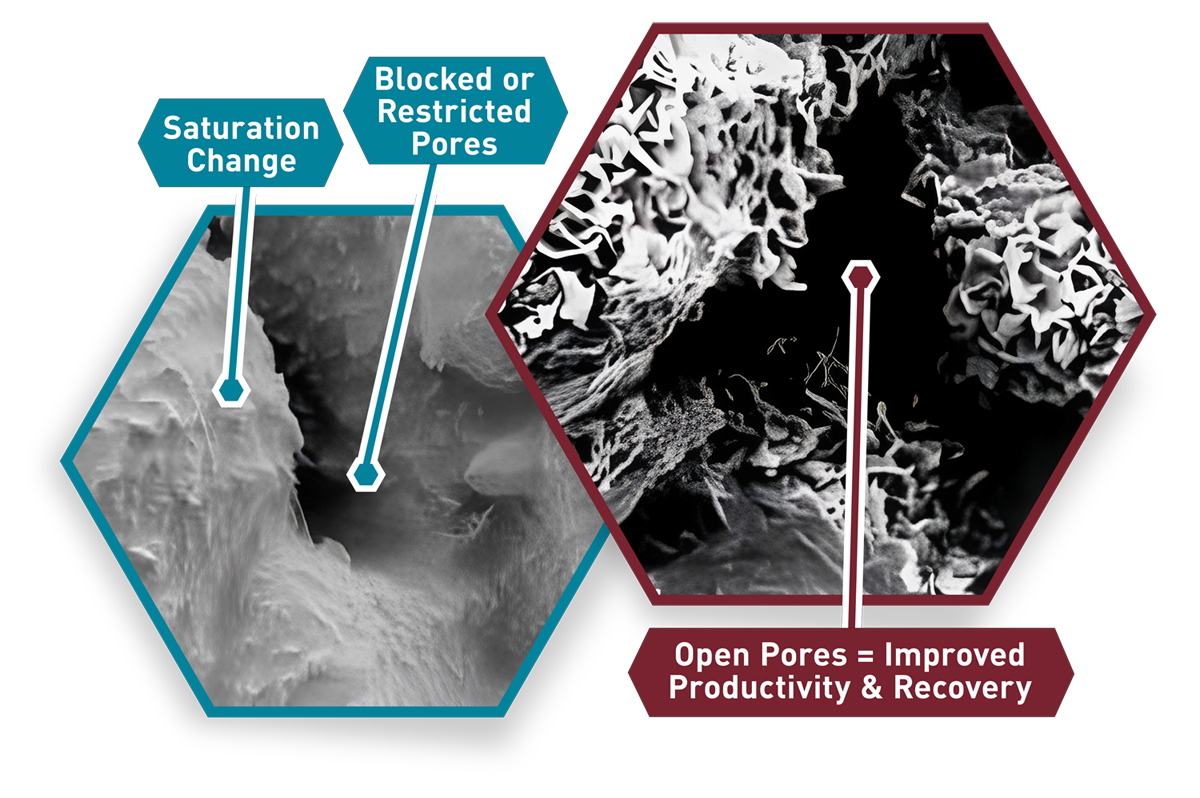
Drilling, completion, stimulation, injection and production activities can alter near-wellbore properties and restrict fluid flow. Rock-fluid interactions, incompatible fluids, solids invasion and changes within the pore system can all contribute to reduced productivity or injectivity.
Understanding where, why and how damage occurs is critical to selecting effective preventative or remedial strategies.
Formation damage can significantly impact well performance.
Our Solution
Diagnosing Formation Damage. Protecting Well Performance.
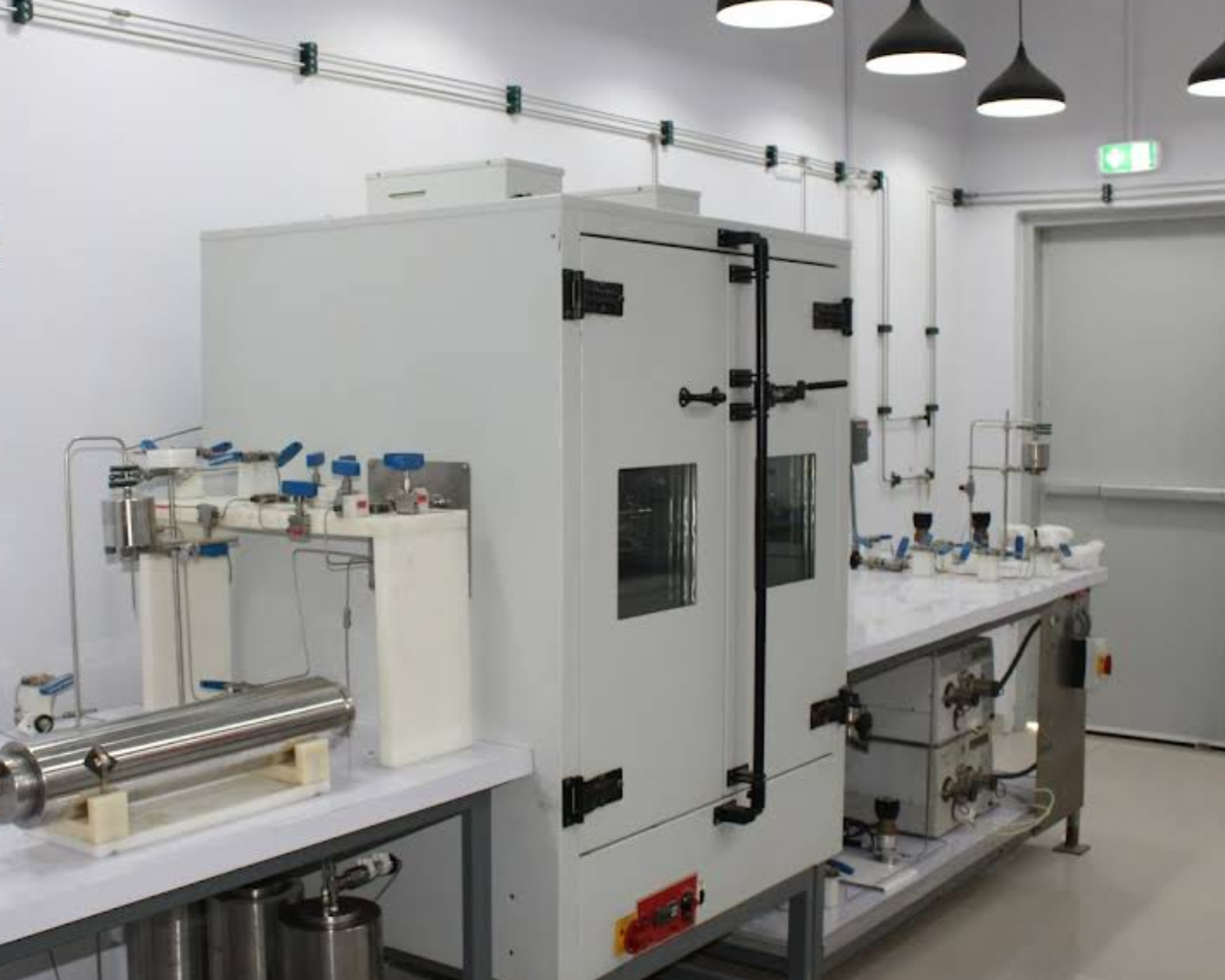
We deliver integrated formation damage programmes that simulate wellbore conditions to identify and quantify the mechanisms affecting production and injectivity. Through representative coreflood testing, compatibility studies, advanced imaging and technical interpretation, our specialists work alongside operators to evaluate fluid-rock interactions, rank fluid and chemical performance and develop strategies to protect or restore well performance.

Formation Damage Capabilities
-
Formation Damage Diagnosis
Identify and quantify the mechanisms affecting near-wellbore performance using integrated reservoir characterisation and specialist interpretation.
-
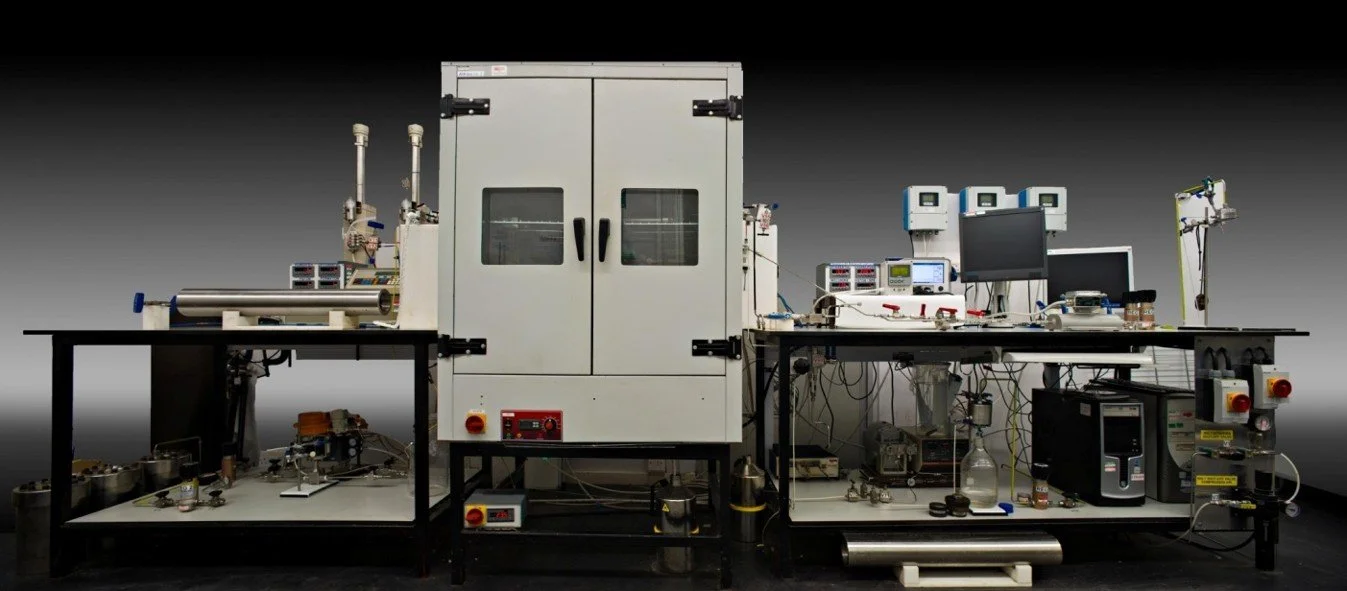
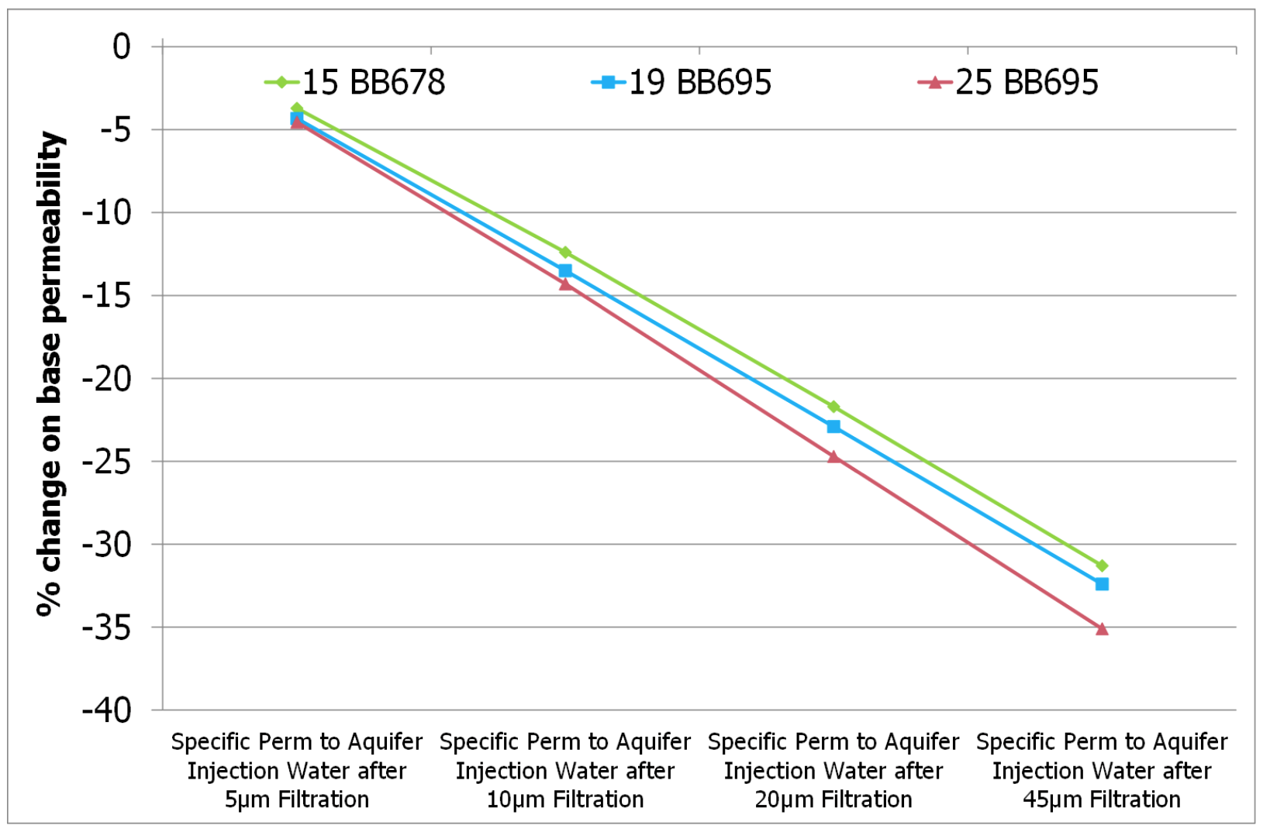
Coreflood & Return Permeability Testing
Simulate representative wellbore conditions to evaluate how drilling, completion, treatment and injection fluids affect permeability and well performance.
-
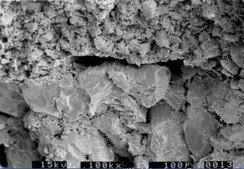
Drilling, Completion & Treatment Fluids
Evaluate drilling and completion fluids, kill pills, acids and other treatment systems using representative reservoir rock and wellbore fluids to support fluid selection and treatment design.
-
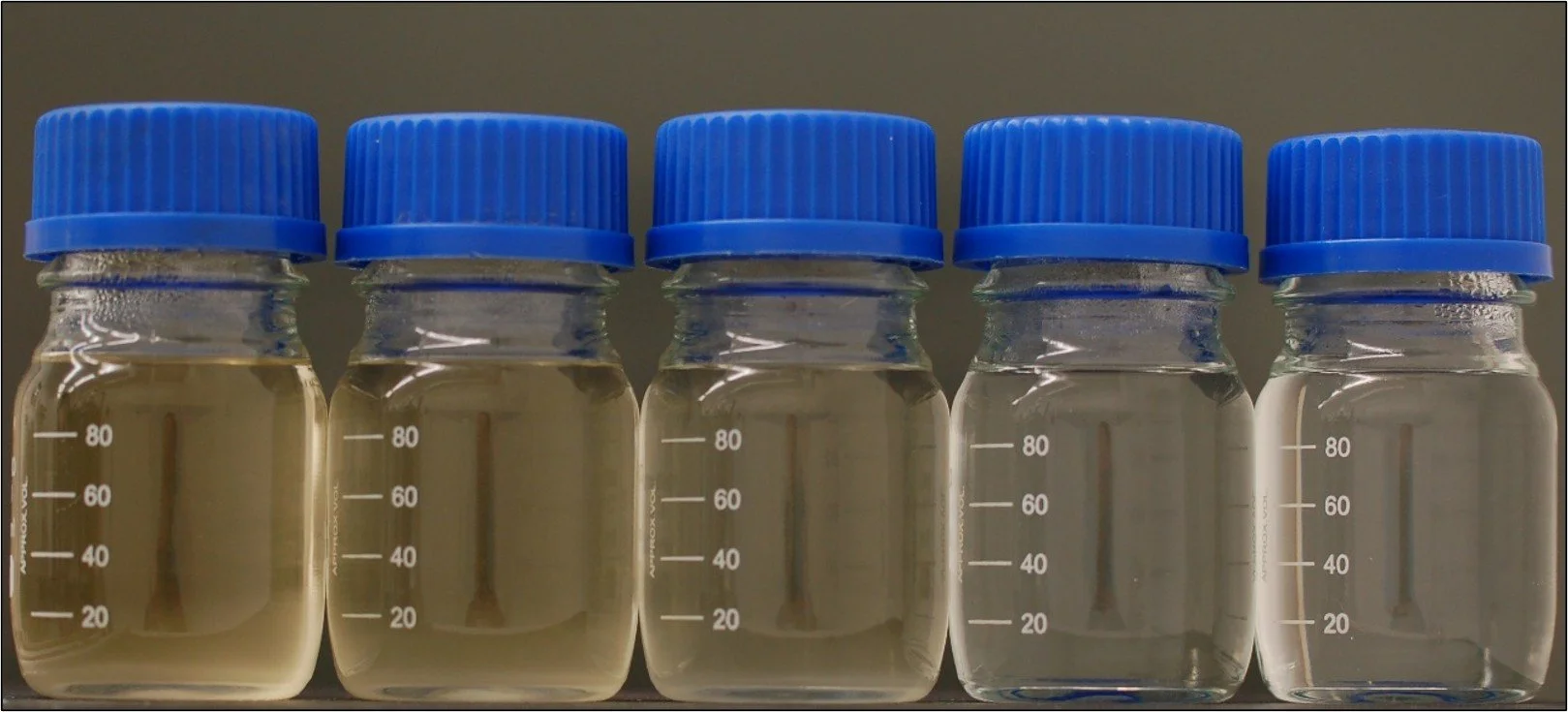
Fluid & Chemical Compatibility
Evaluate reservoir fluids, injection waters and treatment chemicals to identify incompatibilities and optimise fluid selection before field application.
-
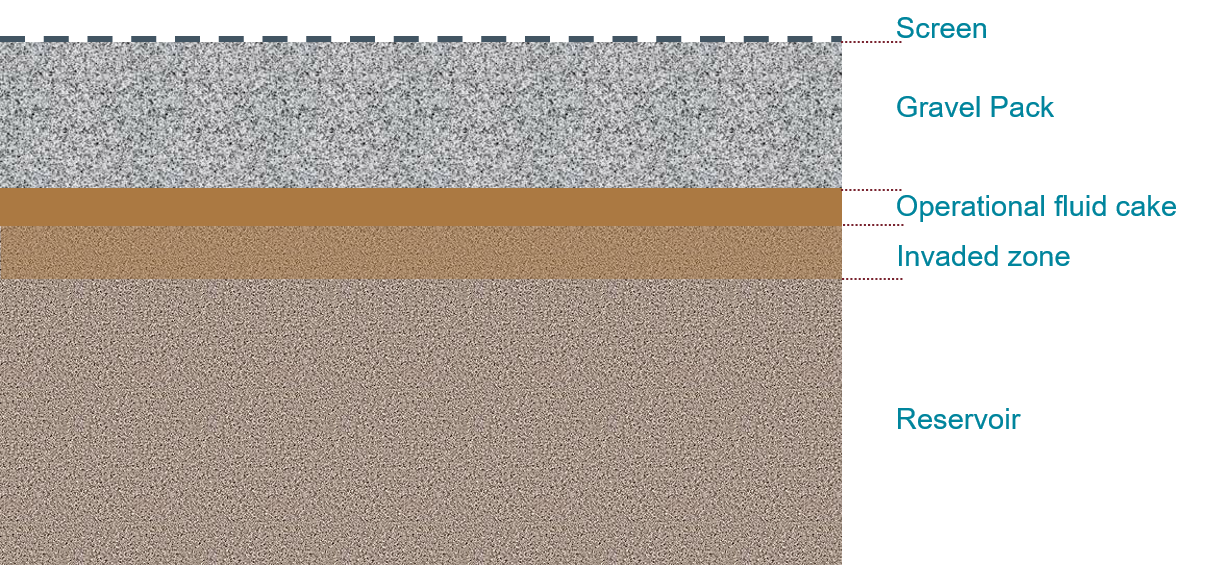
Stimulation, Fracturing & Solids Control
Evaluate stimulation and fracturing fluids, proppants, gravel packs and solids-control systems to optimise treatment performance and minimise formation damage.
-
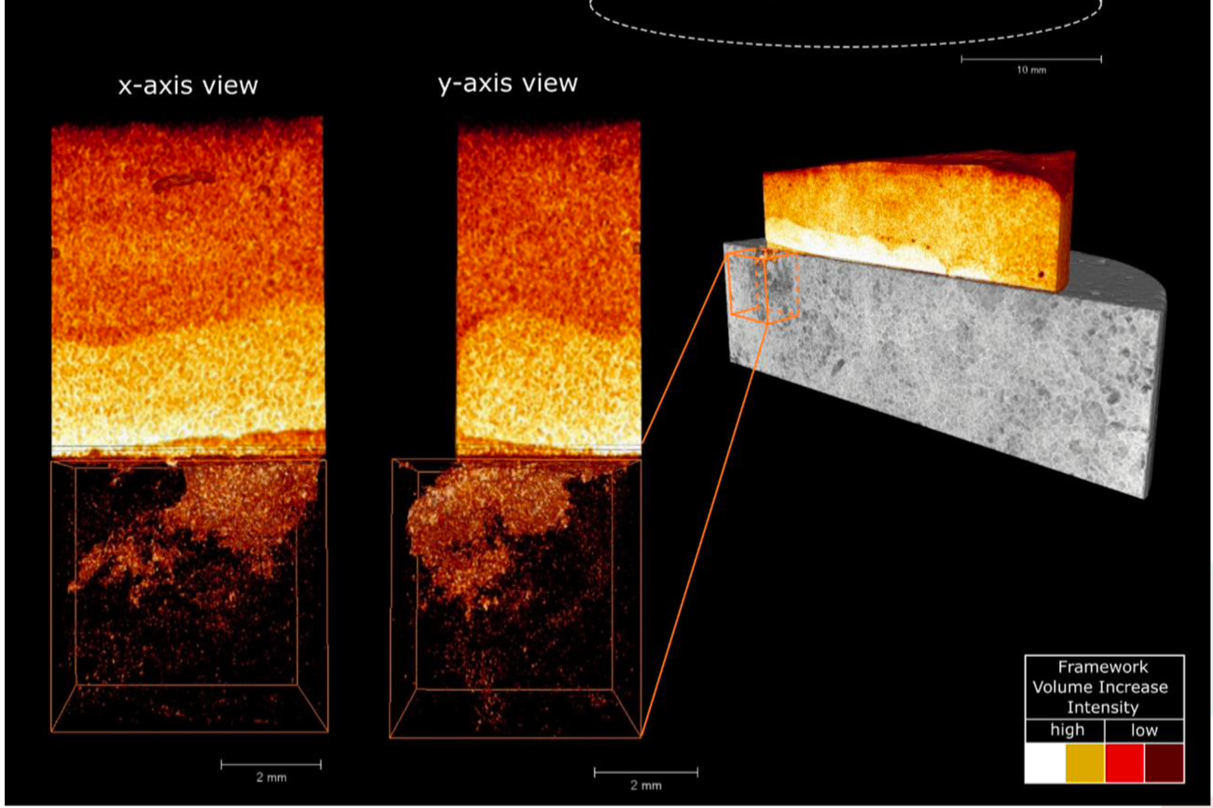
Advanced Imaging & Near-Wellbore Analysis
Use CT imaging and geological expertise to visualise and characterise near-wellbore alteration, providing greater insight into the location and extent of formation damage.
-
Damage Prevention & Remediation
Combine laboratory results with specialist interpretation to identify preventative and remedial strategies that protect permeability and improve production or injection performance.
Why it matters
Protecting Permeability. Maximising Well Performance.
Our formation damage programmes help clients:
Identify and quantify formation damage mechanisms

Develop targeted prevention and remediation strategies

Optimise drilling, completion and treatment fluids
Optimise drilling, completion and treatment fluids

Rank treatment performance before field application
Related Resources
TECHNICAL WEBINARS
Explore technical webinars, publications and guides covering routine and special core analysis, reservoir characterisation and best practices for laboratory testing.
Join over 1.7k subscribers and stay up to date with the latest technical insights from Premier Corex and industry specialists.
Featured Webinar: Insights to Minimise Formation Damage
BROCHURES
-
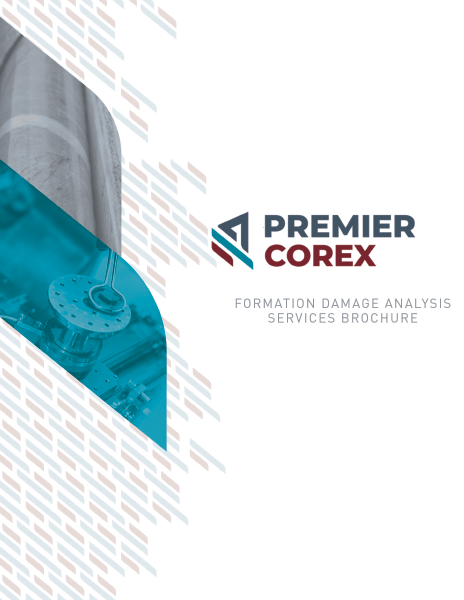
Formation Damage Analysis
Maximising reservoir productivity and injectivity.
TECHNICAL PAPERS
-
SPE I Strategic Insights into Formation Damage Remediation: A Comprehensive Study of Kuwait's Exploratory Wells > Click to view
SPE I How High-Resolution Visualisations and Quantifications Gave Insight into Damaging Mechanisms and Treatment Fluid Performance in Omani Carbonate Reservoirs > Click to view
Geoenergy Science and Engineering I Formation damage challenges and solutions in cased hole gravel pack completions in deep offshore unconsolidated laminated sandstone formations in the Sakarya Field > Click to view
SPE I Case Study of Identifying and Minimizing Formation Damage in Tight Reservoirs Caused by Drilling Fluids in Abu Dhabi Onshore Operation Using Compatibility Coreflood Studies > Click to view
SPE I Understanding of Asphaltene Deposition in the Production Tubing and Reservoir Rock While Flowing at Bottom-Hole Pressure Below Asphaltene Onset Pressure, AOP in the Magwa-Marrat Field > Click to view
SPE I Systematic Selection of Drill-In and Completion Fluids for Development of the Dvalin HT Gas Field > Click to view
SPE I Practical Application on Mitigation of Formation Damage Induced by Gravel Pack Operations in Offshore Gas Condensate Field > Click to view
SPE I The Nature of Drilling Fluid Invasion, Clean-Up, and Retention During Reservoir Formation Drilling and Completion > Click to view
SPE I Formate Drilling and Completion Fluids: Evaluation of Potential Well-Productivity Impact, Valemon > Click to view
Clay Minerals I The Influence of Clay Mineralogy in the North Sea Reservoir Sandstones: A Review with Illustrative Examples > Click to view
Clay Minerals I The Influence of Individual Clay Minerals on Formation Damage of Reservoir Sandstone > Click to view
SPE I Selection of Scale Control Strategy on a Sub Sea Developed Field in the North Sea and How 6 Different Companies Contributed > Click to view
SPE I Design Considerations and Qualification Testing of High Density Oil-Based Screen Running Fluids for an HPHT Gas Development > Click to view
SPE I Use of Micro-CT Scanning Visualisations to Improve Interpretation of Formation Damage Laboratory Tests: South Morecambe Field > Click to view
SPE I Customizing Drill-In Fluid for Peregrino Project in Brazil: Laboratory Development and Field Experience > Click to view
SPE I Return Permeability Measurement – Proceed With Caution > Click to view
SPE I Cryogenic Scanning Electron Microscope Analysis: An Aid to Formation Damage Assessment > Click to view
SPE I A New Tool for Exploration and Appraisal – Formation Damage Evaluation > Click to view
SPE I Designing and Obtaining Optimal Productive High Rate Gas Wells: The Hibiscus Experience > Click to view
SPE I Formation Damage Laboratory Testing – Key Parameters, Pitfalls and Potential > Click to view
SPE I Fluids Selection for Water Injection Wells Laboratory Tests to Field Implementation > Click to view
SPE I Blake Seawater Injection Well Perforation Optimization > Click to view
SPE I Formate Brines: A Comprehensive Evaluation of Their Formation Damage Control Properties Under Realistic Reservoir Conditions > Click to view
SPE I Optimising Gravel Pack Performance in a High Rate Gas Development > Click to view
SPE I A Mechanistic Investigation of the Dunbar Scale Challenge > Click to view
SPE I A Laboratory Drilling Mud Overbalance Formation Damage Study Using Cryogenic SEM Techniques > Click to view
Clay Minerals I The Effects of Indigenous and Introduced Microbes on Deeply Buried Hydrocarbon Reservoirs, North Sea > Click to view
SPE I Scale Management Through Laboratory Analysis and Wellbore Monitoring Surveys > Click to view
SPE I Development of Methods to Minimise Microbial Formation Damage of Hydrocarbon Reservoirs > Click to view
SPE I A Comparison of Underbalanced and Overbalanced Drilling-induced Formation Damage using reservoir conditions core flood testing > Click to view
SPE I Visualisation of Drilling-Induced Formation Damage Mechanisms using Reservoir Conditions Core Flood Testing > Click to view
SPE I The use of S.E.M and Cryogenic S.E.M Analysis in Formation Damage Flood Test Studies > Click to view
Related Solutions
Why Premier Corex


Providing subsurface solutions worldwide for over 50 years
Independent testing, trusted data & unbiased technical advice


INDUSTRY LEADING EXPERTISE
QUALITY, SAFETY & SUSTAINABILITY
Trusted by operators, NOCs & service companies worldwide
Committed to quality & responsible operations
INDEPENDENT LABORATORY
50+ YEARS EXPERIENCE

Experiencing Production or Injectivity Challenges?
Our formation damage specialists can design a representative laboratory programme to identify the mechanisms affecting well performance and evaluate potential prevention or remediation strategies.