
Resources
Explore technical resources designed to support reservoir characterisation, production optimisation and energy transition projects.
FEATURED
-

Company Overview
Rock & fluid data solutions for reservoir evaluation and energy transition projects.
-
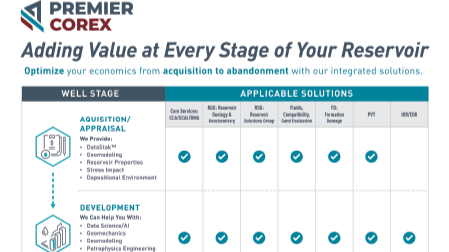
Well Stage Solutions
Supporting better decisions at every stage of reservoir field development.
-
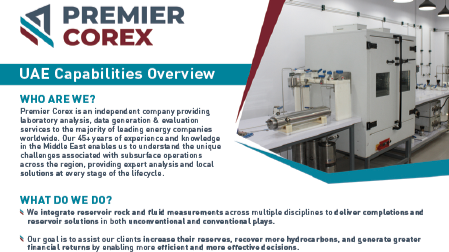
Middle East Laboratory Services
Middle East regional energy expertise.
-

Midland Laboratory Services
North American rock and fluid analysis solutions.
-
Energy Transition Capabilities
Support for Global Energy Transition Projects
-
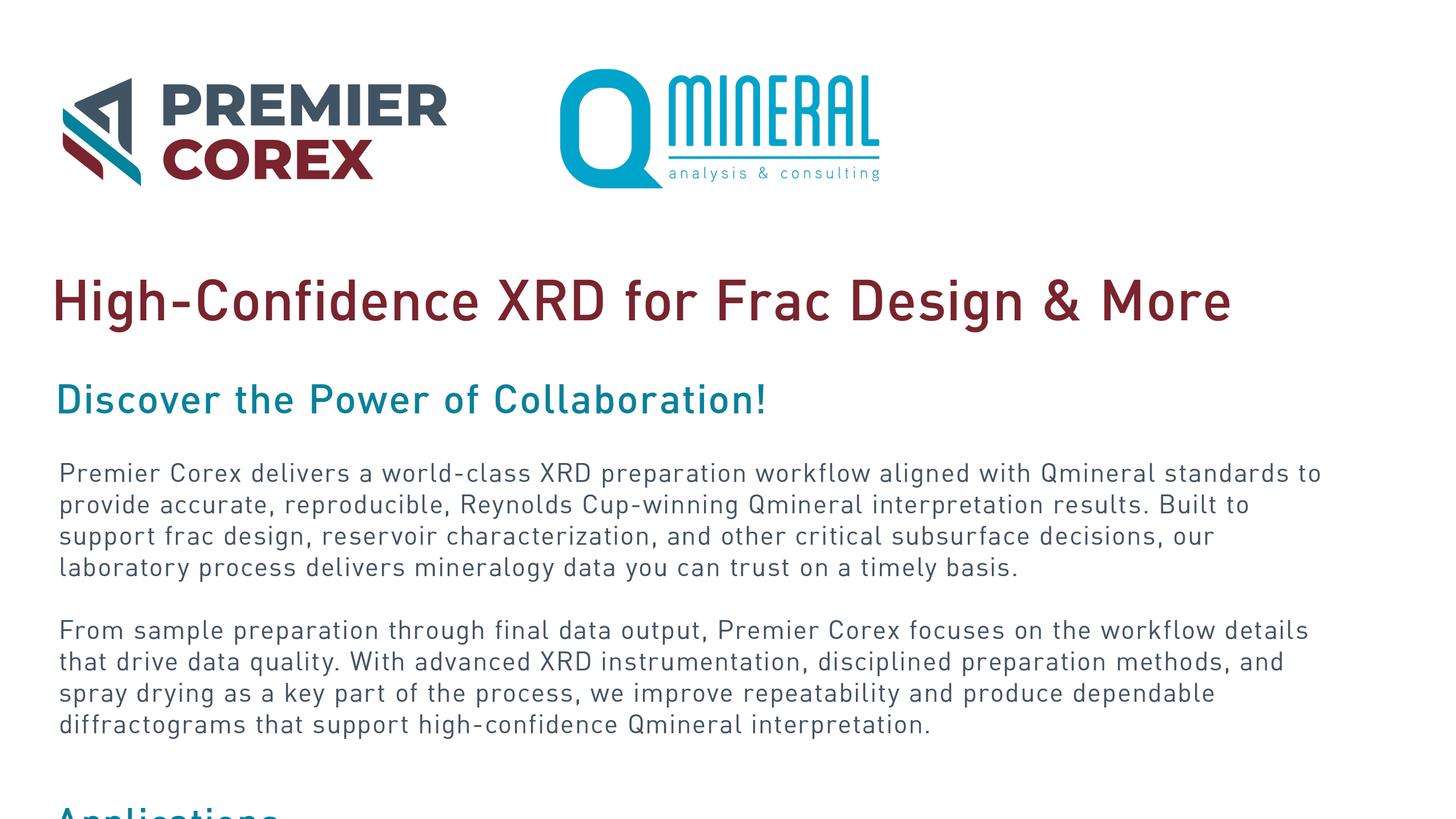
Qmineral Partnership
Advanced mineralogical analysis to improve reservoir understanding.
ENERGY TRANSITION
-

Carbon Capture & Storage
De-risking long-term CO₂ storage.
-

Geothermal Capabilities
Supporting sustainable geothermal development.
-
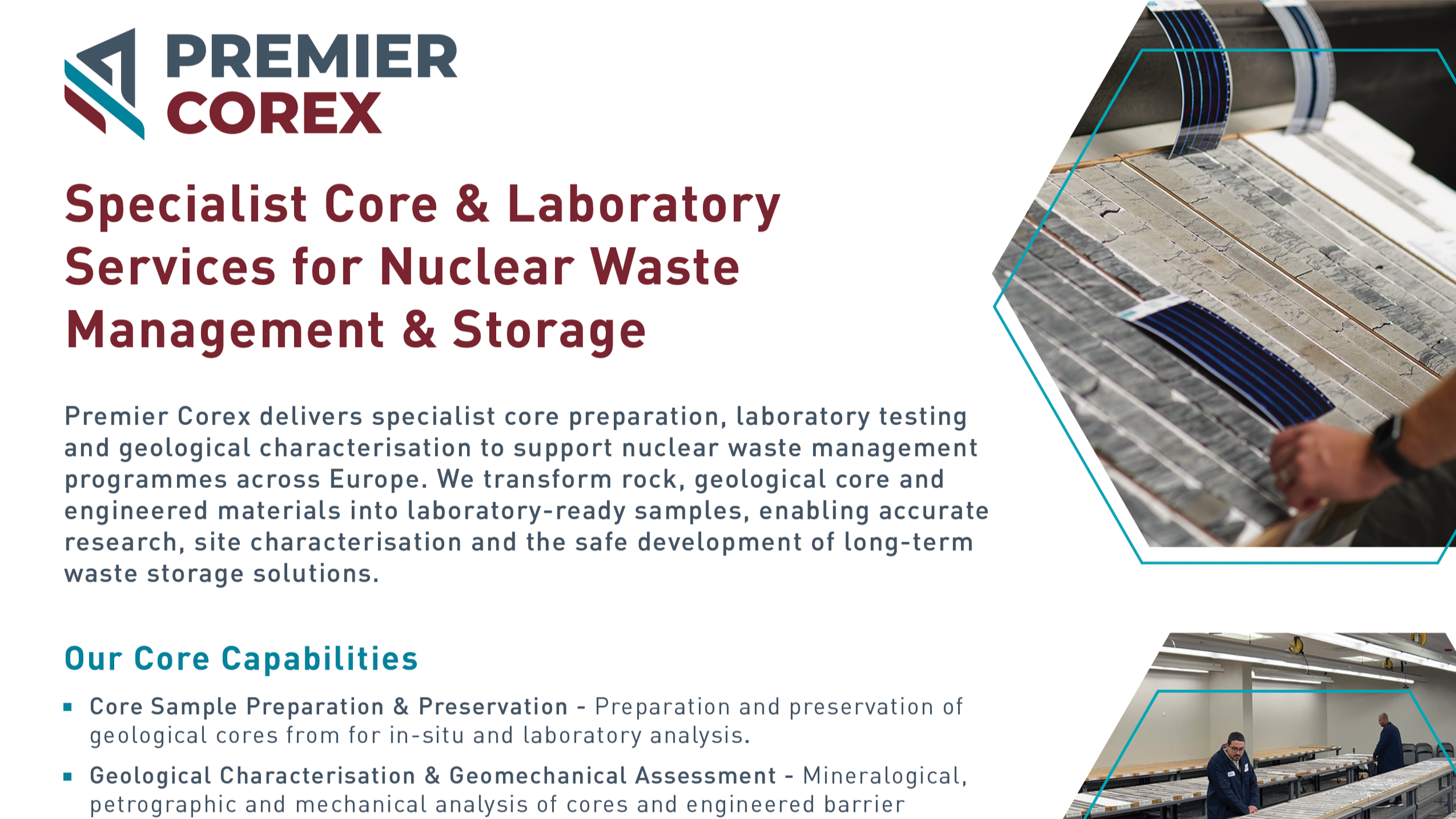
Nuclear Waste Storage
Laboratory support for waste storage studies.
CORE ANALYSIS
-
Core Services Analysis
Maximising value from core-derived data.
-
Cuttings Capabilities
Reservoir insight beyond conventional core.
-

Core Storage Capabilities
Secure storage and management of samples.
-

Sample Curation Capabilities
Preserving valuable subsurface assets.
-

Premier Sample Library
Access to extensive geological sample archives.
-

Permian Collaboration
Integrated solutions for Permian Basin projects.
FLUID ANALYSIS
-
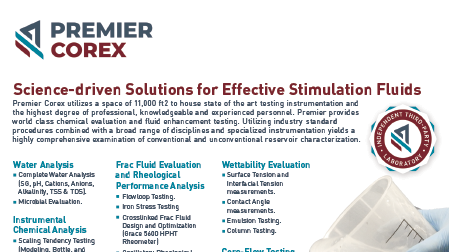
Fluid Analysis Capabilities
Fluid testing and production optimisation services.
-
Fluid Analysis
Optimising fluid performance and recovery.
RESERVOIR GEOLOGY
-

Reservoir Geology Capabilities
Unlocking value from geological data.
-
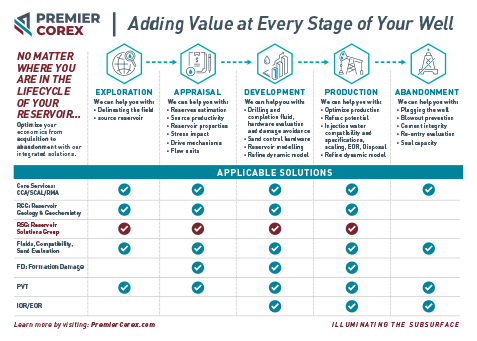
RSG Reservoir Solutions
Integrated geological and reservoir insight.
ROCK MECHANICS & GEOMECHANICS
-

Rock Mechanics Analysis
Rock strength, stress and geomechanical testing.
-
Rock Mechanics & XRD
Managing subsurface stress and stability.
FORMATION DAMAGE
-
Formation Damage Analysis
Maximising reservoir productivity and injectivity.
EOR/IOR
-
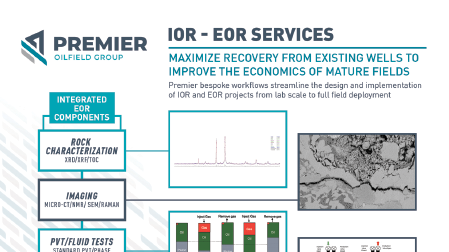
Enhanced Oil Recovery
Maximising recovery from existing assets.
CASE STUDIES
-
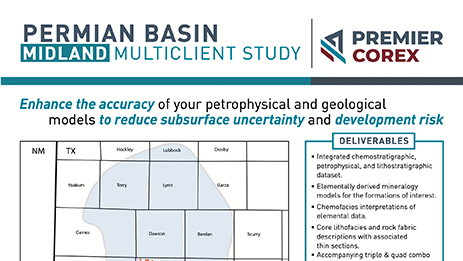
Permian Basin Study
Case study from Permian Basin operations.
-
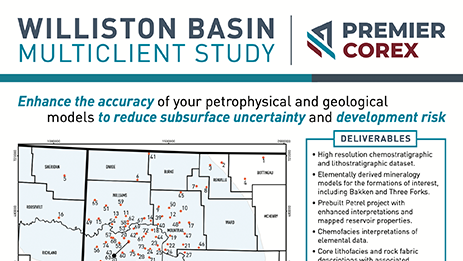
Williston Basin Study
Case study from Williston Basin operations.
-
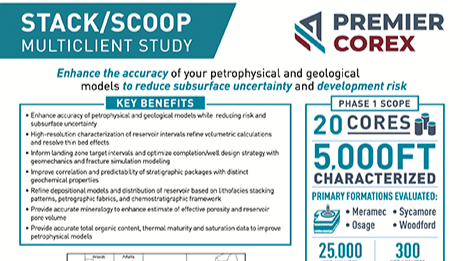
Stack/Scoop Study
Case study from Stack and Scoop plays.
TECHNICAL PUBLICATIONS
-
SCA I Review of the Intercept Method for Relative Permeability Correction – A Variety of Case Study Data > Click to view
SPWLA I In-Situ Saturation Monitoring (ISSM) Recommendations for Improved Processing > Click to view
EAGE I Core Analysis Requirements for Low Salinity Waterflooding > Click to view
SCA I Drill Cuttings as an Economic Tool to Understand the Petroleum System For Exploratory and Development Wells > Click to view
Developments in Petroleum Science I Core Analysis: A Best Practice Guide - Volume 64 > Click to view
SPE I Relative Permeability Modifier (RPM): Suitability Screening With Reservoir Core Under Reservoir Conditions > Click to view
SCA I Core Sample Preparation – An insight into New Procedures > Click to view
SCA I The Preservation or Removal of Solid Bituminous Material – Core Analysis Programme on Elgin Franklin Field > Click to view
Marine and Petroleum Geology I Recommended Practice for Probe Permeametry > Click to view
SCA I High Resolution Probe Permeability – An Aid to Reservoir Conditions Description > Click to view
SCA I Core Preservation – An Alternative Approach > Click to view
Clay Minerals I Facies-Related Diagenesis In The Main Claymore Oilfield Sandstones > Click to view
-
SPE I Slice-By-Slice Insights into the Wormhole Mechanism with Microscopic Precision Crucial to the Design of Efficient Acid Stimulation Treatments > Click to view
SPE I Considerations for the Evaluation and Selection of Friction Reducers: Iron Tolerance Assessment Using Residual Polyacrylamide Quantification with Case Study in the Powder River Basin > Click to view
AADE I Shale Organic Matter Interaction in Non-Aqueous Drilling Fluids > Click to view
SPE I Characterization of a New Green Material for Offshore Well Completions and Downhole Treatments > Click to view
SPE I Stability of Chemically Degraded Friction Reducers and Their Relationship to Regain Conductivity > Click to view
SPE I Screening Friction Reducer Performance Using Zeta Potential > Click to view
-
SPE I Intra-Disciplinary Data Integration to Reduce Subsurface Uncertainty, Oligocene Reservoir Delineation and Characterization; Atoll Field, Offshore Nile Delta > Click to view
AAPG I Unlocking Hydrocarbon Production Potential: A Study of Reservoir Quality Assessment and Depositional Architecture of Minjur Formation (Late Triassic), Burgan Oil Field, Kuwait > Click to view
AAPG I Reservoir Characterization of the Burg Al Arab Field, Alamein Basin, Western Desert, Egypt: Study of Abu Roash (D) Member, Carbonate Facies Succession for Oil Production Enhancement > Click to view
Journal of Physics I Depositional Architecture and Reservoir Quality Assessment of Abu Roash (G) Dolomite, as a Low Resistivity Pay, Razzak Oilfield, Western Desert, Egypt > Click to view
AAPG I Reservoir Quality Prediction and Diagenetic Controls of Gharif Reservoir: A Case Study from RSF, Sultanate of Oman > Click to view
MOC I Integrated X-Ray Fluorescence with X-Ray Computed Tomography by Tracing Calcium Element in Core Samples – Case Study from Zohr Geohazard Piston Core > Click to view
Geological Society I The presence of sulphate-reducing bacteria in live drilling muds, core materials, and reservoir formation brine from new oilfields > Click to view
-
SPE I Coupling Digital Image Correlation and Fourier Transform Infrared Spectroscopy for Identification and Characterization of Swelling Regions in Heterogeneous Shales > Click to view
SPE I Elastic Anisotropy in Bakken Formation > Click to view
-
SPE I Strategic Insights into Formation Damage Remediation: A Comprehensive Study of Kuwait's Exploratory Wells > Click to view
SPE I How High-Resolution Visualisations and Quantifications Gave Insight into Damaging Mechanisms and Treatment Fluid Performance in Omani Carbonate Reservoirs > Click to view
Geoenergy Science and Engineering I Formation damage challenges and solutions in cased hole gravel pack completions in deep offshore unconsolidated laminated sandstone formations in the Sakarya Field > Click to view
SPE I Case Study of Identifying and Minimizing Formation Damage in Tight Reservoirs Caused by Drilling Fluids in Abu Dhabi Onshore Operation Using Compatibility Coreflood Studies > Click to view
SPE I Understanding of Asphaltene Deposition in the Production Tubing and Reservoir Rock While Flowing at Bottom-Hole Pressure Below Asphaltene Onset Pressure, AOP in the Magwa-Marrat Field > Click to view
SPE I Systematic Selection of Drill-In and Completion Fluids for Development of the Dvalin HT Gas Field > Click to view
SPE I Practical Application on Mitigation of Formation Damage Induced by Gravel Pack Operations in Offshore Gas Condensate Field > Click to view
SPE I The Nature of Drilling Fluid Invasion, Clean-Up, and Retention During Reservoir Formation Drilling and Completion > Click to view
SPE I Formate Drilling and Completion Fluids: Evaluation of Potential Well-Productivity Impact, Valemon > Click to view
Clay Minerals I The Influence of Clay Mineralogy in the North Sea Reservoir Sandstones: A Review with Illustrative Examples > Click to view
Clay Minerals I The Influence of Individual Clay Minerals on Formation Damage of Reservoir Sandstone > Click to view
SPE I Selection of Scale Control Strategy on a Sub Sea Developed Field in the North Sea and How 6 Different Companies Contributed > Click to view
SPE I Design Considerations and Qualification Testing of High Density Oil-Based Screen Running Fluids for an HPHT Gas Development > Click to view
SPE I Use of Micro-CT Scanning Visualisations to Improve Interpretation of Formation Damage Laboratory Tests: South Morecambe Field > Click to view
SPE I Customizing Drill-In Fluid for Peregrino Project in Brazil: Laboratory Development and Field Experience > Click to view
SPE I Return Permeability Measurement – Proceed With Caution > Click to view
SPE I Cryogenic Scanning Electron Microscope Analysis: An Aid to Formation Damage Assessment > Click to view
SPE I A New Tool for Exploration and Appraisal – Formation Damage Evaluation > Click to view
SPE I Designing and Obtaining Optimal Productive High Rate Gas Wells: The Hibiscus Experience > Click to view
SPE I Formation Damage Laboratory Testing – Key Parameters, Pitfalls and Potential > Click to view
SPE I Fluids Selection for Water Injection Wells Laboratory Tests to Field Implementation > Click to view
SPE I Blake Seawater Injection Well Perforation Optimization > Click to view
SPE I Formate Brines: A Comprehensive Evaluation of Their Formation Damage Control Properties Under Realistic Reservoir Conditions > Click to view
SPE I Optimising Gravel Pack Performance in a High Rate Gas Development > Click to view
SPE I A Mechanistic Investigation of the Dunbar Scale Challenge > Click to view
SPE I A Laboratory Drilling Mud Overbalance Formation Damage Study Using Cryogenic SEM Techniques > Click to view
Clay Minerals I The Effects of Indigenous and Introduced Microbes on Deeply Buried Hydrocarbon Reservoirs, North Sea > Click to view
SPE I Scale Management Through Laboratory Analysis and Wellbore Monitoring Surveys > Click to view
SPE I Development of Methods to Minimise Microbial Formation Damage of Hydrocarbon Reservoirs > Click to view
SPE I A Comparison of Underbalanced and Overbalanced Drilling-induced Formation Damage using reservoir conditions core flood testing > Click to view
SPE I Visualisation of Drilling-Induced Formation Damage Mechanisms using Reservoir Conditions Core Flood Testing > Click to view
SPE I The use of S.E.M and Cryogenic S.E.M Analysis in Formation Damage Flood Test Studies > Click to view
-
EAGE I Application of Low Salinity Water to Improve Oil Recovery from A Fractured Tight Carbonate Reservoir – A Case Study> Click to view
EAGE I Investigation of Carbon Dioxide Application for Enhanced Oil Recovery in a North African Field – A New Approach to EOS Development > Click to view
EAGE I Novel Application of Micro-CT and Interpretive Geological Analysis to Assess Asphaltene Deposition By Carbon Dioxide Injection > Click to view
WANT TO DRILL DEEPER?
TECHNICAL WEBINARS & EXPERT INSIGHTS
Explore expert-led webinars covering core analysis, fluid characterisation, formation damage, EOR, CCUS, geothermal and other subsurface challenges.
Join over 1.7k subscribers and stay up to date with the latest technical insights from Premier Corex and industry specialists.
